

Accommodation & Food on Ghorepani Poon Hill Trek: Tea Houses & Local Cuisine
Accommodation & Food on Ghorepani Poon Hill Trek: Tea Houses & Local Cuisine
The Ghorepani Poon Hill Trek is one of the most popular short treks in Nepal. It offers stunning sunrise views over the Annapurna and Dhaulagiri ranges, charming mountain villages, and a rich cultural experience — all within a comfortable altitude range. With a maximum altitude of 3,210 meters, this trek is perfect for beginners, families, and travelers who want a rewarding Himalayan journey without extreme difficulty.
Organized by Explorenepaltrekking, this 9-day adventure is affordable, scenic, and well-paced. Starting from Kathmandu and moving through Pokhara, Ulleri, Ghorepani, Tadapani, and Ghandruk, the trek combines nature, culture, and local hospitality. One of the most common questions travelers ask before booking is: What is the accommodation like? and What kind of food is available on the trail?
In this detailed guide, we’ll explain everything you need to know about tea houses, room facilities, local cuisine, traditional dishes, and food costs on the Ghorepani Poon Hill Trek. This practical information will help you prepare confidently for your Himalayan adventure.
Tea House Accommodation on the Ghorepani Poon Hill Trek
Tea house accommodation is one of the most beautiful parts of the Ghorepani Poon Hill Trek experience. Instead of staying in large hotels, trekkers stay in small, family-run mountain lodges that offer a warm and personal atmosphere. These tea houses are located in every major village along the route, including Ulleri, Ghorepani, Tadapani, and Ghandruk. They provide a comfortable place to rest while allowing travelers to experience authentic village life in the Annapurna region.
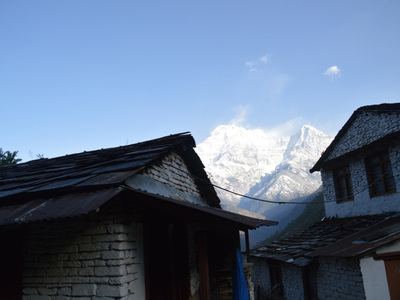
Most tea houses on the Ghorepani trail are built from stone and wood, designed to keep rooms warm in cooler mountain temperatures. The interiors are simple but cozy. After a long day of trekking through rhododendron forests and stone staircases, entering a warm dining hall with a heater in the center feels incredibly comforting. The shared dining area is often the heart of the lodge, where trekkers from around the world gather, talk, and share stories.
Rooms are generally twin-sharing with two single beds, clean mattresses, pillows, and blankets. While luxury is limited, cleanliness and comfort are maintained. In lower villages, some tea houses may offer attached bathrooms, but higher up near Ghorepani, shared bathrooms are more common. Even though facilities are basic, they are more than enough for a short and moderate trek like this one.
Another highlight of tea house accommodation during the Ghorepani Poon Hill Trek is the hospitality of local families. Many lodge owners belong to the Gurung and Magar communities, and they take pride in welcoming guests. You may notice traditional decorations, family photos, and local cultural elements inside the lodges. This personal touch makes the stay feel genuine and memorable.
Electricity, Wi-Fi, and hot showers are available in most villages, though sometimes for a small extra charge. As you climb higher, resources become more limited, so it’s important to use electricity and water responsibly. Despite being in remote mountain areas, the level of comfort on this trek is surprisingly good compared to more remote Himalayan routes.
Overall, tea house accommodation on the Ghorepani Poon Hill Trek offers the perfect balance of simplicity, comfort, and cultural experience. It allows you to rest safely after each trekking day while staying connected to local traditions and mountain life. For many travelers, these cozy tea houses become one of the most unforgettable parts of the journey.
Types of Rooms and Facilities During the Ghorepani Poon Hill Trek
Rooms on the Ghorepani Poon Hill Trek are simple but cozy. Most tea houses offer twin-sharing rooms with two single beds, pillows, blankets, and clean sheets. Some lodges may offer small private rooms for couples or solo travelers, depending on availability.
Do not expect luxury hotels in the mountains. The rooms usually have wooden walls, basic furniture, and limited decoration. However, they are comfortable enough for a good night’s sleep after trekking.
Bathrooms vary depending on the altitude and village. In lower villages like Ghandruk and Ulleri, you may find attached bathrooms in some lodges. As you go higher toward Ghorepani, bathrooms are often shared. Western-style toilets are common, but in some places, squat toilets may still be available.
Hot showers are available in most tea houses, but they usually cost an extra fee. Water is heated using solar power or gas. On colder days, hot water may be limited.
Electricity is available in most villages, but charging your devices usually costs a small fee. Wi-Fi is also available in many tea houses, though the connection can be slow and unreliable.
Overall, accommodation during the Ghorepani Poon Hill Trek is simple, safe, and comfortable. It provides everything you need without unnecessary luxury, allowing you to focus on the beauty of the Himalayas.
Traditional Nepali Dishes to Try on the Ghorepani Poon Hill Trek
Trying local food is an important part of experiencing the Ghorepani Poon Hill Trek. Here are some traditional Nepali dishes you should not miss:
Dal Bhat
Dal Bhat is Nepal’s national meal. It includes steamed rice, lentil soup, seasonal vegetables, pickles, and sometimes curry. The best part? It often comes with free refills. It is healthy, filling, and perfect for trekkers who need energy.
Momos
Momos are Nepali-style dumplings filled with vegetables or meat. They are served steamed or fried with spicy dipping sauce. Momos are a favorite snack or dinner option on the trail.
Gundruk
Gundruk is fermented leafy greens, commonly served as soup or pickle. It has a unique sour flavor and is a traditional mountain dish.
Dhido
Dhido is a traditional meal made from millet or buckwheat flour. It is served with curry and vegetables. It is especially common in rural villages like Ghandruk.
Tibetan Bread
This deep-fried bread is often served at breakfast with honey or jam. It is soft, warm, and delicious — perfect before a long trekking day.
Eating these local dishes during the Ghorepani Poon Hill Trek not only supports local communities but also adds cultural richness to your journey.
Final Thoughts on the Ghorepani Poon Hill Trek Experience
The Ghorepani Poon Hill Trek is more than just a short Himalayan hike — it is a complete cultural and natural experience. From the peaceful stone villages to the golden sunrise over Annapurna and Dhaulagiri, every moment on this trail feels meaningful. With a maximum altitude of only 3,210 meters, the trek offers breathtaking mountain views without extreme physical strain, making it ideal for beginners and experienced trekkers alike.
What truly makes the Ghorepani Poon Hill Trek special is its perfect balance. You walk through lush rhododendron forests, climb ancient stone staircases, enjoy comfortable tea house stays, and taste authentic Nepali food — all within a well-paced 9-day itinerary. The journey allows you to experience real mountain life while still enjoying safe and well-managed trekking routes.
This trek is also one of the best-value adventures in Nepal. At a starting cost of US$ 425.7 per person, it offers incredible scenery, cultural immersion, and professional guidance at an affordable price. Whether you are traveling solo, with friends, or as a couple, the Ghorepani Poon Hill Trek delivers unforgettable memories without requiring weeks of travel.
If you are dreaming of watching the sunrise from Poon Hill, surrounded by snow-capped Himalayan giants, now is the perfect time to plan your journey. Let experienced local professionals handle the logistics while you focus on enjoying every step of the trail.
Explorenepaltrekking ensures comfortable accommodation, organized transportation, knowledgeable guides, and a smooth trekking experience from arrival in Kathmandu to your final departure. With their local expertise and commitment to quality service, your Ghorepani Poon Hill Trek becomes safe, enjoyable, and truly memorable.
Start your adventure today with Explorenepaltrekking — and turn your dream of trekking in Nepal into a lifetime memory.








All Comments